


We’ve been drinking a lot of añejo and extra añejo tequilas in our house recently. When we looked deeper into the Agave Matchmaker analytics, we discovered we’re not alone. These aged expressions are indeed showing more activity.
Perhaps it’s the colder weather? Or the upcoming holidays? Whatever the reason, we thought it would be fun to put together a list of extra añejo tequilas and send them to 21 members of the Agave Matchmaker Tasting Panel.
So we assembled a diverse list of high-quality tequilas that would cover as many bases as possible.
- – Old Favorites vs. Newcomers
– Lightly aged vs. Heavily aged
– Expensive vs. Affordable
– High Proof vs. Standard
Our panel members did not hold back, giving us a detailed look into what makes a great aged tequila.
The average scores ranged from nearly 90 to 85 points, meaning they all performed incredibly well in this blind tasting. (Anything above an 85 average in a blind tasting is a phenomenal score.) That was good news to us because we took great care to make sure that every tequila in the lineup was worthy of praise. We wanted this to be an experiment based on style and approach instead of good vs. bad.
Panel members responded with honest and detailed tasting notes that ended up revealing some interesting trends. Let’s get into it.
Barrel Dominance vs. Agave Identity
The single biggest dividing line in the tasting was not price, age, or proof. It was whether the agave was still recognizable once the barrel had its say.
Judges repeatedly rewarded tequilas where cooked or roasted agave remained present, even when oak, spice, and sweetness were clearly part of the profile. When that balance tipped too far, reactions turned sharply negative.
“It smells and tastes good, but doesn’t drink like a tequila at all to me,” one judge wrote, capturing a sentiment that came up again and again. Extra añejos earned praise when the barrel framed the agave, not when it replaced it.
Color Expectations Were Consistently Wrong
Judges almost always noticed color first, and just as often had to walk back their assumptions. Very pale extra añejos were frequently mistaken for reposados or joven-style expressions, only to end up among the most liked once tasted.
Meanwhile, some of the darkest samples delivered exactly what people feared: heavy oak, bitterness, and heat without much payoff. One taster summed up the surprise well, noting that a very light sample “does not drink like a typical XA” but was “clean, tasty, and pure.”
Blind tasting made one thing clear: Color is a poor predictor of quality in extra añejos.
High Proof Was Welcome Until It Wasn’t
Alcohol presence came up constantly, but not always as a flaw. Judges enjoyed higher-proof tequilas when the flavor intensity kept up. Those samples were described as energetic, structured, and sometimes thrilling.
Problems arose when ethanol heat showed up without enough density behind it.
“The alcohol is blowing out the palate,” one judge wrote of a darker, barrel-heavy entry.
The takeaway was not anti-proof. It was anti-imbalance. High ABV was fine, even exciting, as long as it carried agave, sweetness, and spice along with it.
Smoke, Char, and the Whiskey Line
Smokiness and heavy char split the panel more than almost any other trait. Some tasters enjoyed campfire, BBQ, and charred wood notes, but many drew a hard line once the tequila started tasting like whiskey, scotch, or wine-finished spirits. Comparisons to bourbon or cognac were almost never meant as compliments here.
“Drinks like a high-proof whiskey,” one judge wrote, explaining why a technically impressive sample still missed the mark.
Extra añejo clearly lives close to whiskey territory, and many experienced tequila drinkers are wary of crossing that border.
The Finish Decided the Verdict
Great noses were common, great finishes were not.
Across the flights, judges often praised aromas only to turn critical once the finish set in. Bitter oak, drying tannins, medicinal alcohol, and one-note endings quickly erased goodwill built on the nose.
Favorites, on the other hand, were often defined by how they ended. One judge praised a sample because “the agave sweetness comes back at the end,” a comment echoed in different words throughout the tasting.
In blind evaluation, how a tequila exits matters more than how it enters.
Light and Elegant Became Compliments
Despite extra añejo’s reputation for weight and richness, many judges openly praised tequilas described as light, refined, or easy to sip. These were often agave-forward expressions with restrained barrel influence, sometimes from exhausted casks.
Several tasters who identified as blanco drinkers gravitated toward these profiles. One commented that a pale, gentle XA was “light profile for an extra añejo, but as a blanco person I love it.”
The tasting suggested a quiet shift in expectations. Extra añejo does not need to be heavy to be serious.
Agreement on What Not to Do
Perhaps the most striking pattern was how aligned the judges were about what they did not want. Harsh bitterness, excessive tannins, medicinal heat, and the complete loss of agave identity were consistently criticized, regardless of individual preference.
Disagreements tended to be about style, not fundamentals. As one judge bluntly put it: “The barrel is doing all the talking here, and I don’t love it.”
Even among diverse palates, there was a shared sense of where extra añejo crosses from expressive into excessive.
The Lineup
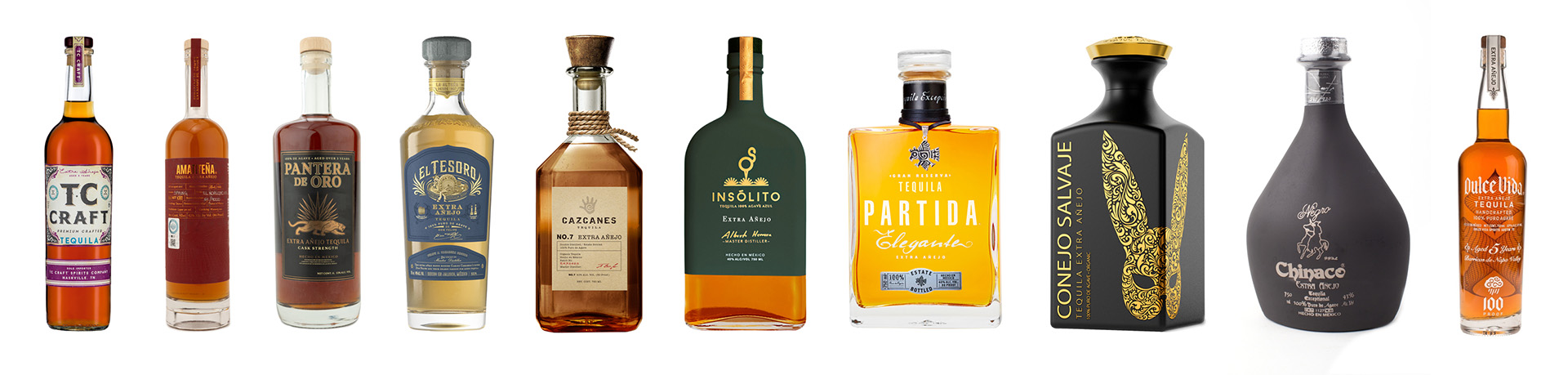
Here are the 10 extra añejo tequilas we used for this experiment.
El Tesoro Extra Añejo
Avg Score: 89.82
Price: $116
Value Rank: #2
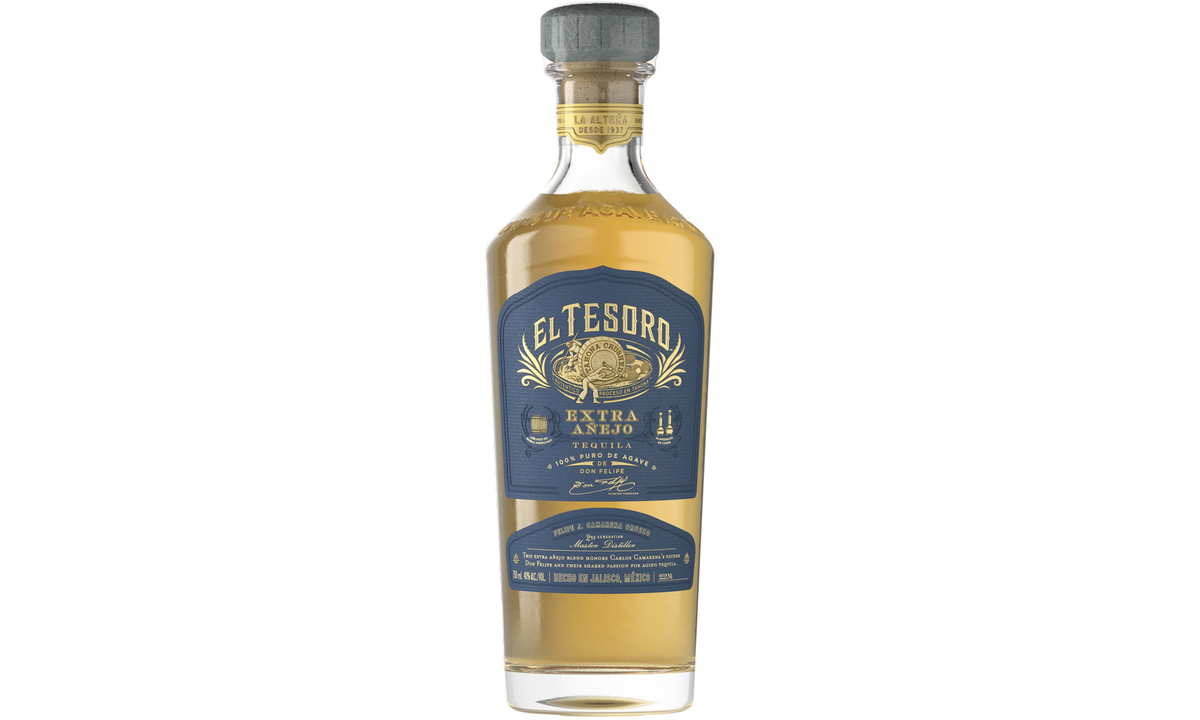
Panel members loved the light touch on this old-school favorite coming from the historic La Alteña distillery in Amatitan, Jalisco. They appreciated the balance between agave and oak, as evidenced visually by its light straw color.
Nearly every taster mentioned detecting agave in their tasting notes, and this is exactly what the makers intended to accomplish.
The production process is old-school traditional. Mature agaves are cooked in brick ovens, extraction is via tahona, distillation happens in open-air wood tanks, and distillation occurs in copper pot stills. The barrels used to age this are extremely old, exhausted, and used to age tequilas time and time again.
El Tesoro Extra Añejo: Aromas and flavors found| # | AROMA | # | FLAVOR |
|---|---|---|---|
| 15 | agave | 16 | agave |
| 12 | vanilla | 12 | sweet |
| 11 | fruit | 11 | pepper |
| 10 | spice | 10 | spice |
| 9 | oak | 9 | cooked agave |
| 8 | pepper | 8 | caramel |
| 7 | honey | 7 | vanilla |
| 6 | caramel | 6 | fruit |
| 6 | cooked agave | 5 | oak |
| 5 | herbal | 5 | cinnamon |
| 5 | citrus | 4 | chocolate |
| 4 | chocolate | 4 | dried fruit |
| 4 | mineral / minerality | 4 | citrus |
| 4 | butter / buttery | 3 | herbal |
| 4 | dried fruit | 3 | apple |
Pantera de Oro Extra Añejo
Avg Score: 89.34
Price: $90
Value Rank: #1
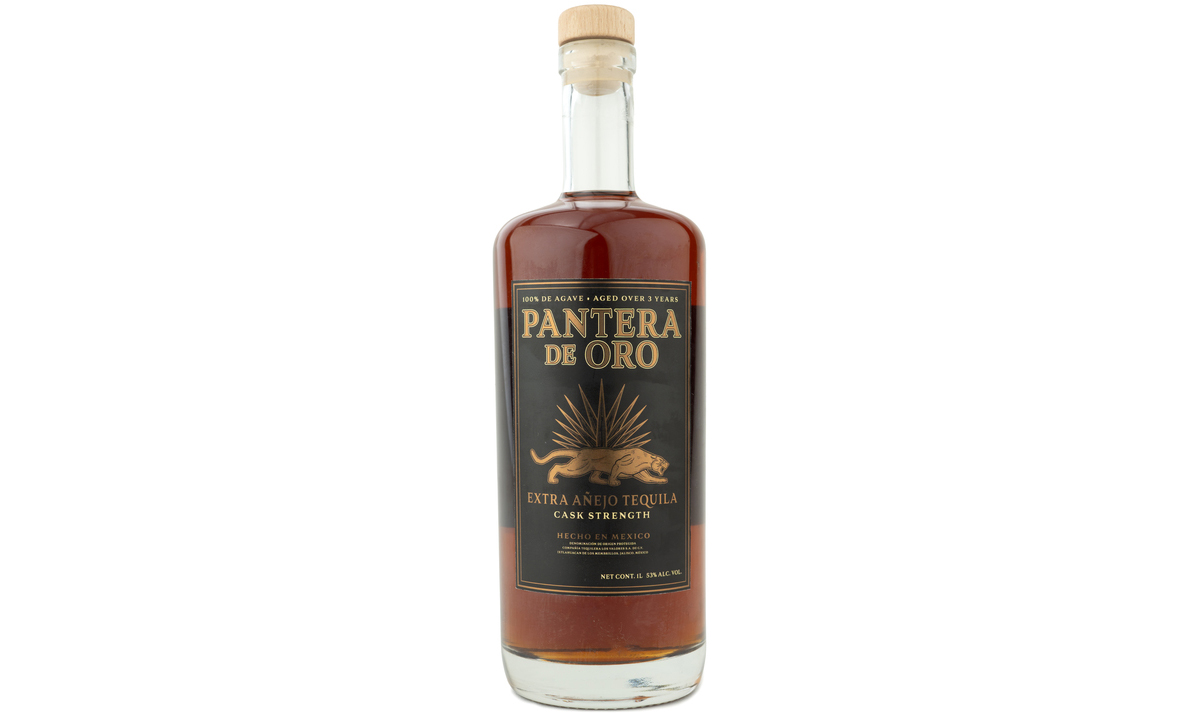
Pantera de WHAT? Hardly anyone has heard of this brand because it’s new to the market. While most new brands tend to launch with a blanco, they went in the opposite direction by starting with an XA that is barrel-strength at 53% abv.
It’s that extra bit of alcohol that makes this tequila special. It brings a certain balance between the oaky properties and the agave, which was appreciated by a number of the panel members. Although oak is the star of the show here, there was a heightened essence of agave appearing late in the finish thanks to that extra ABV boost.
The shocking part, though, is the price. It’s selling at Costco for just $90 for a 1-liter bottle. This is a hidden gem, right there in Costco, waiting to be had. This scored the highest points for value, by far.
Production process: Combination autoclave and brick oven; roller mill extraction; stainless steel tank fermentation; stainless pot w/copper coil distillation; used French Oak and American Oak barrels; aged for just over 3 years.
Side note: Because of the flavors it brings, and the fact that it’s high proof, it makes an amazing Tequila Sazerac cocktail. If you want the recipe, let us know.
Pantera De Oro Extra Añejo: Aromas and flavors found| # | AROMA | # | FLAVOR |
|---|---|---|---|
| 14 | caramel | 15 | oak |
| 13 | oak | 14 | caramel |
| 12 | vanilla | 13 | spice |
| 11 | spice | 12 | agave |
| 10 | agave | 11 | pepper |
| 9 | chocolate | 10 | chocolate |
| 8 | leather | 9 | vanilla |
| 8 | fruit | 8 | whiskey / bourbon |
| 7 | dried fruit | 7 | dried fruit |
| 7 | barrel spice | 7 | tobacco |
| 6 | tobacco | 6 | leather |
| 6 | floral | 6 | cinnamon |
| 5 | cinnamon | 5 | honey |
| 5 | molasses | 5 | burnt caramel |
| 5 | whiskey / bourbon | 4 | cooked agave |
| 4 | nutmeg | 4 | fruit |
| 4 | butterscotch | 4 | earthy |
| 4 | pepper | 3 | wine / sherry |
Amatiteña Extra Añejo
Avg Score: 89.10
Price: $129.99
Value Rank: #3 (tie)
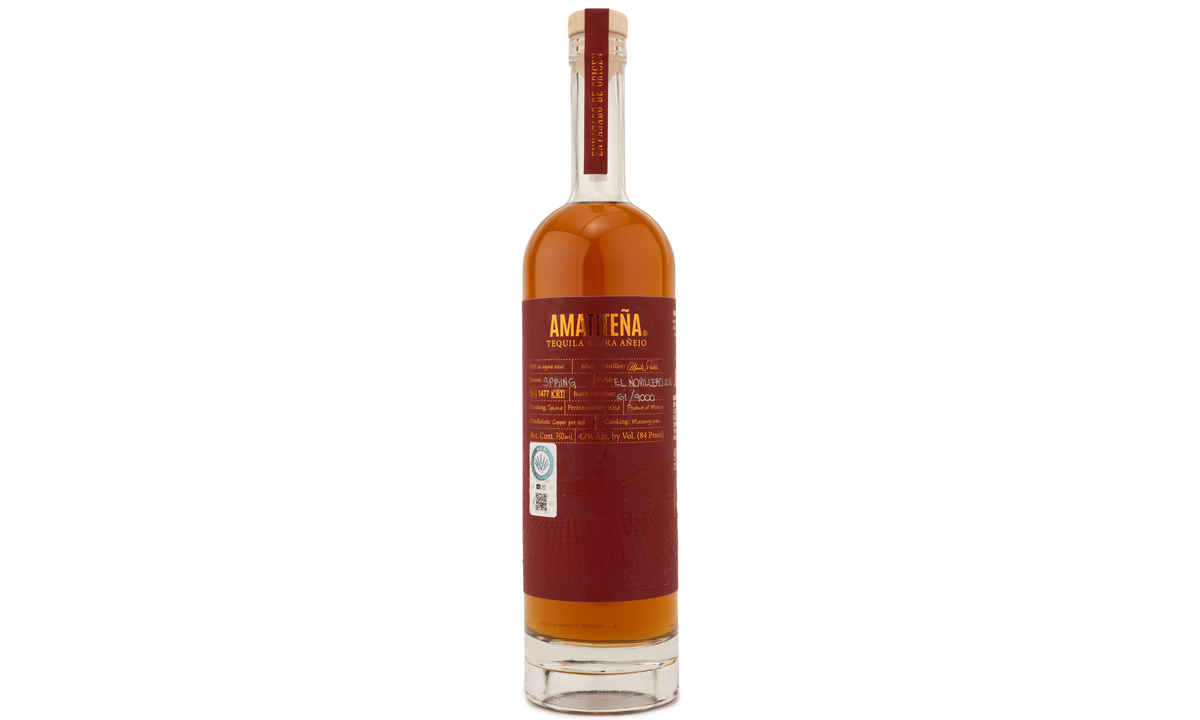
This tequila had another old-school production process that appeared to be a bit divisive. Either the panel member loved it, or thought it was too “mezcal-like” because of the smoky aromas and flavors coming from their seriously rustic process.
Production process: Mature agaves from a single estate in the Tequila Valley; Cooking in a direct-flame steel oven; extraction via tahona; Distilled twice in copper pot stills; Rested in a blend of barrels (American and French Oak, used wine and bourbon casks), and bottled at 42% abv.
The ovens and the pot stills are heated with wood-burning fires, and that smoky aroma is everywhere in the distillery, including in the finished product. Although it’s more prominent in their blanco expression, the oak in this XA mutes the smoke a bit and creates a complex dance between them.
This is a unique agave-forward aged tequila that should be experienced by any serious lover of agave spirits.
Amatiteña Extra Añejo: Aromas and flavors found| # | AROMA | # | FLAVOR |
|---|---|---|---|
| 17 | smoke | 15 | smoke |
| 12 | agave | 13 | agave |
| 9 | caramel | 10 | oak |
| 7 | oak | 8 | caramel |
| 7 | leather | 7 | sweetness |
| 6 | vanilla | 6 | barrel spice |
| 6 | barrel spice | 6 | pepper |
| 5 | earthy | 5 | chocolate |
| 4 | tobacco | 5 | tobacco |
| 4 | honey | 4 | earthy |
| 3 | chocolate | 4 | cinnamon |
| 3 | fruit | 4 | honey |
| 3 | maple / maple syrup | 3 | leather |
| 3 | molasses | 3 | maple / maple syrup |
| 3 | butter / butterscotch | 3 | nutmeg |
| 2 | cherry | 3 | cooked agave |
Conejo Salvaje Extra Añejo
Avg Score: 88.27
Price: $179.99
Value Rank: #5 (tie)
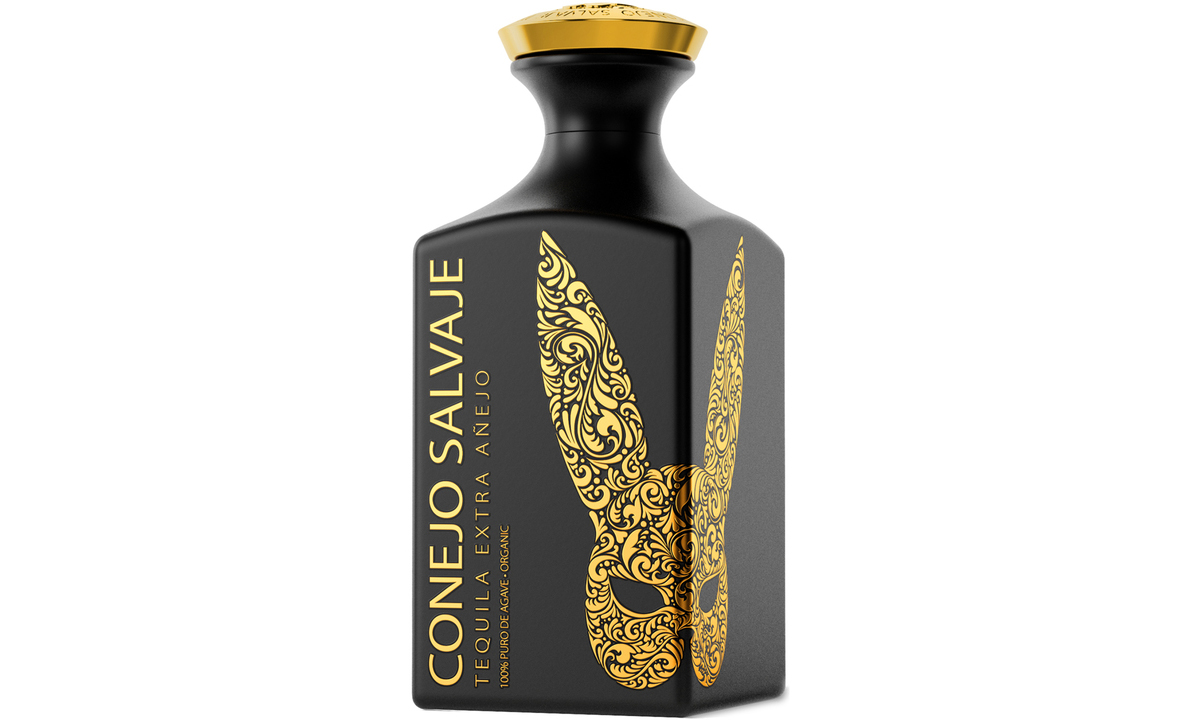
This is another new brand to the market that many people have yet to hear about. What’s not new, however, is the fully organic distillery making it, Las Americas (NOM 1480) in Amatitan, Jalisco.
It’s available mostly in Southern California right now, but you can buy it online at Old Town Tequila.
Panel members found agave, in addition to equal parts caramel, vanilla, and honey. Half of the tasters commented on the sweetness of the flavor and finish, and how easy this is to drink.
Production process: Organic agaves cooked in brick ovens; Extraction via roller mill; Fermentation in open-air stainless steel pot stills; Distilled twice in stainless steel pot stills with copper coils; Aged in used American White Oak barrels; and bottled at 40% abv.
Conejo Salvaje Extra Añejo: Aromas and flavors found| # | AROMA | # | FLAVOR |
|---|---|---|---|
| 14 | agave | 15 | agave |
| 13 | caramel | 13 | caramel |
| 11 | vanilla | 11 | oak |
| 10 | oak | 10 | sweet |
| 9 | honey | 9 | vanilla |
| 8 | fruit | 8 | honey |
| 7 | spice | 7 | spice |
| 6 | buttery | 6 | cinnamon |
| 6 | mineral / minerality | 6 | fruit |
| 5 | citrus | 5 | chocolate |
| 5 | apple | 5 | pepper |
| 5 | cherry | 4 | cooked agave |
| 4 | apricot | 4 | apple |
| 4 | brown sugar | 4 | dried fruit |
| 4 | toffee | 4 | raisin |
| 4 | raisin | 3 | apricot |
| 4 | chocolate | 3 | orange |
Chinaco Negro Extra Añejo
Avg Score: 87.62
Price: $485
Value Rank: #10

This may just be one of the first tequilas to fully embrace the concept of “extra añejo.” Any long-time tequila geek will acknowledge this brand’s place in tequila history, so we made sure it was in the lineup.
Here, oak and fruit dominate the experience, which was described as pleasant and balanced by a majority of the tasters. Agave, while detected by some of the panel members, is subtle.
Production process: Agaves from Tamaulipas are cooked in an autoclave; Extraction via roller mill; Fermentation is stainless steel tanks; distillation in stainless steel pot still with copper coils; and bottled at 43% abv.
Chinaco Negro Extra Añejo: Aromas and flavors found| # | AROMA | # | FLAVOR |
|---|---|---|---|
| 13 | caramel | 14 | oak |
| 12 | vanilla | 13 | caramel |
| 11 | fruit | 11 | fruit |
| 10 | oak | 9 | honey |
| 8 | spice | 8 | spice |
| 7 | cherry | 8 | whiskey / bourbon |
| 7 | honey | 7 | pepper |
| 6 | agave | 6 | vanilla |
| 5 | whiskey / bourbon | 6 | agave |
| 5 | leather | 5 | cinnamon |
| 4 | nutmeg | 5 | molasses |
| 4 | baking spice | 4 | cherry |
| 4 | molasses | 4 | baking spice |
| 3 | brown sugar | 3 | pitted fruit |
| 3 | raisin | 3 | apple |
| 3 | apple | 3 | plum |
Partida Elegante
Avg Score: 87.02
Price: $330
Value Rank: #9
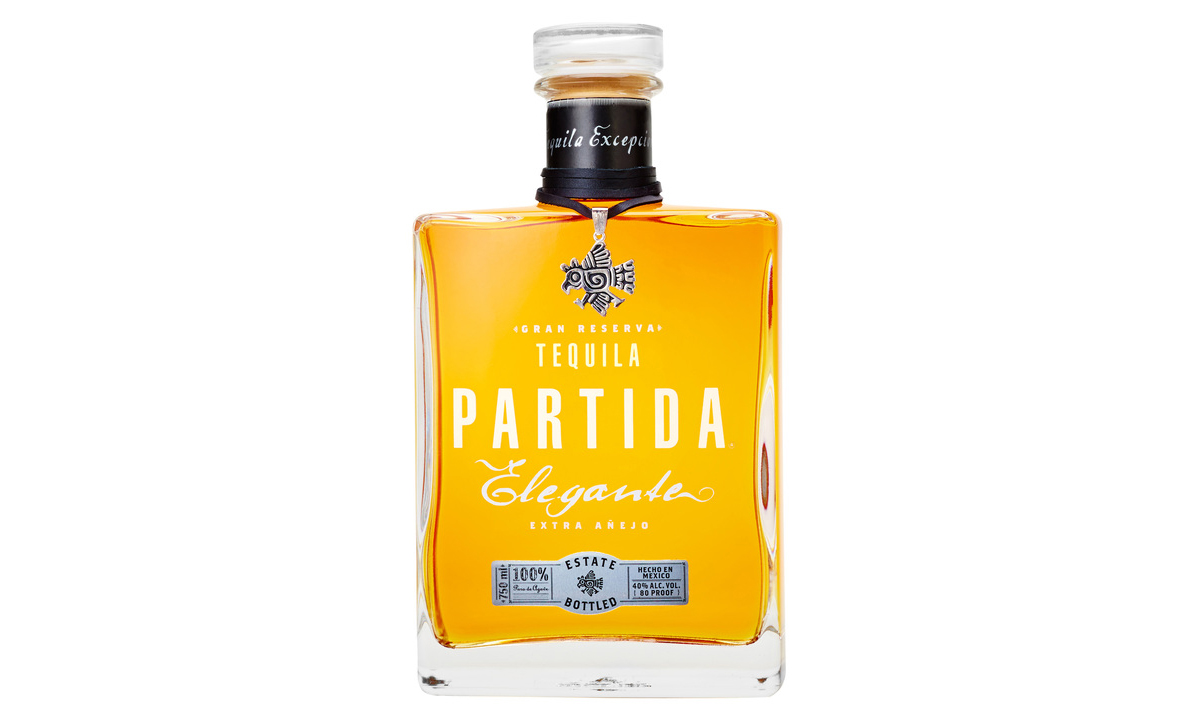
The barrel aging program coming from Partida has always been a favorite of ours, going back 15+ years when we discovered their añejo. The Elegante was the first XA tequila we ever tried that completely blew us away.
Partida has been fairly consistent since those early days, where they try to take full advantage of the properties gifted by the barrel. They aren’t shy about it, nor should they be. The result is a balanced, fully-flavored blend of caramel/oak/vanilla with some agave lingering around the edges that maintain its roots.
Production process: Agaves from the Tequila Valley are cooked in low-pressure autoclaves; Extraction is via roller mill; Fermentation happens in open air, stainless steel tanks without fibers; Distillation in stainless steel pot stills; and aged for up to 4 years in barrels previously used for Bourbon.
Partida Elegante: Aromas and flavors found| # | AROMA | # | FLAVOR |
|---|---|---|---|
| 14 | caramel | 15 | caramel |
| 13 | oak | 14 | oak |
| 12 | barrel spice | 13 | sweet |
| 11 | honey | 12 | barrel spice |
| 10 | vanilla | 11 | agave |
| 9 | agave | 10 | pepper |
| 8 | cherry | 9 | vanilla |
| 8 | spice | 8 | honey |
| 7 | molasses | 7 | baking spice |
| 6 | baking spice | 6 | cinnamon |
| 6 | pepper | 6 | cherry |
| 5 | dried fruit | 5 | brown sugar |
| 5 | brown sugar | 5 | dried fruit |
| 5 | cinnamon | 4 | chocolate |
| 4 | fruit | 4 | nuts / nutty |
| 4 | anise | 4 | tobacco |
| 4 | nuts / nutty | 3 | plum |
| 4 | tobacco | 3 | cola |
Insólito Extra Añejo
Avg Score: 86.49
Price: $139.99
Value Rank: #5
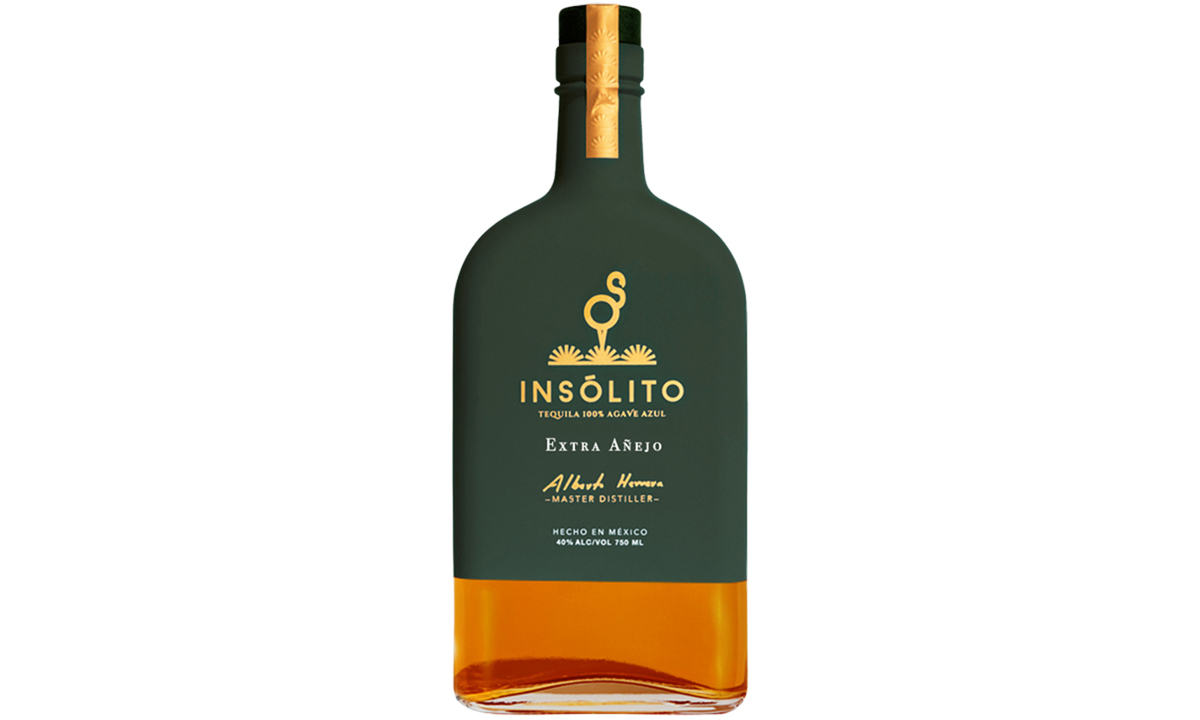
Panel members most often described the Insólito XA as light in color, but defined by barrel spice and sweetness, with an especially inviting nose.
Judges frequently commented on a sweet, dessert-leaning aromatic profile, often honey-forward rather than agave-forward, and several called it out as one of the more attractive noses in the lineup.
Relative to other entries, this tequila tended to sit in a middle space: approachable and aromatic up front, with a structure that emphasized barrel and sweetness over agave in the flavor.
Production process: A blend of agaves from the Tequila Valley and Los Altos are cooked in a low-pressure autoclave; Fermentation happens in a stainless steel tank; Distillation uses a stainless steel pot still; Aging uses a blend of new and used barrels, both French and American Oak. It’s bottled at 40% abv.
Insólito Extra Añejo: Aromas and flavors found| # | AROMA | # | FLAVOR |
|---|---|---|---|
| 13 | caramel | 14 | oak |
| 12 | oak | 13 | caramel |
| 11 | vanilla | 12 | spice |
| 10 | spice | 11 | agave |
| 9 | fruit | 9 | pepper |
| 8 | honey | 8 | vanilla |
| 7 | dried fruit | 7 | honey |
| 7 | barrel spice | 6 | chocolate |
| 6 | cherry | 6 | barrel spice |
| 6 | butterscotch | 5 | nut / pecan / walnut |
| 5 | agave | 5 | cherry |
| 5 | nutmeg | 4 | anise |
| 5 | brown sugar | 4 | almond |
| 4 | chocolate | 4 | earthy |
| 4 | anise | 3 | plum |
| 4 | almond | 3 | dried fruit |
| 4 | earthy | 3 | toffee |
Cazcanes No. 7 Extra Añejo
Avg Score: 86.43
Price: $179.99
Value Rank: #5 (tie)
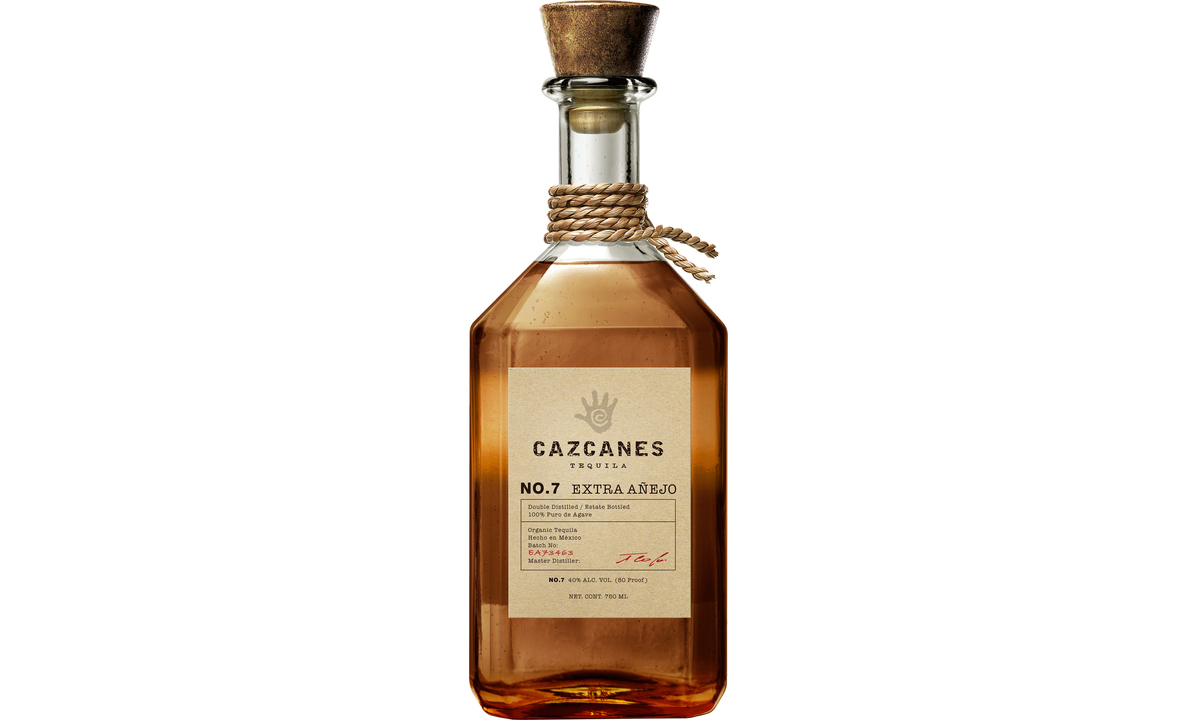
The Cazcanes No. 7 XA stood out as one of the lighter, more approachable expressions in the lineup, both visually and on the palate, with many judges noting its pale color and relatively restrained barrel impact.
Several tasters commented that the nose understated the flavor, and described an experience that opened cleanly, leaning agave-forward for an extra añejo. They also emphasized the sweetness and fruity notes.
Overall, it occupied a softer, more delicate lane within the flight, highlighting how an extra añejo can express maturity without heaviness.
Production process: Agaves from the Tequila Valley region are cooked in low pressure autoclaves; Extraction happens with a roller mill; Fermentation happens in open-air stainless steel tanks using their own special natural spring water; Distillation uses a stainless steel pot still with copper coils; and it is aged in a blend of barrels (French and American oak), previously used for bourbon. It is aerated prior to bottling.
Cazcanes No. 7 Extra Añejo: Aromas and flavors found| # | AROMA | # | FLAVOR |
|---|---|---|---|
| 14 | agave | 15 | agave |
| 11 | vanilla | 11 | caramel |
| 10 | caramel | 10 | oak |
| 9 | fruit | 8 | honey |
| 8 | oak | 7 | vanilla |
| 7 | honey | 6 | banana |
| 6 | banana | 6 | fruit |
| 5 | butterscotch | 5 | whiskey |
| 5 | spice | 5 | cinnamon |
| 4 | cherry | 4 | butter |
| 4 | tropical fruit | 4 | pepper |
| 3 | butter | 3 | cherry |
| 3 | citrus | 3 | mineral |
| 3 | floral | 3 | nutty / nuts |
| 3 | molasses | 3 | baking spice |
| 3 | earthy | 2 | chocolate |
TC Craft Extra Añejo
Avg Score: 85.95
Price: $129
Value Rank: #3 (tie)
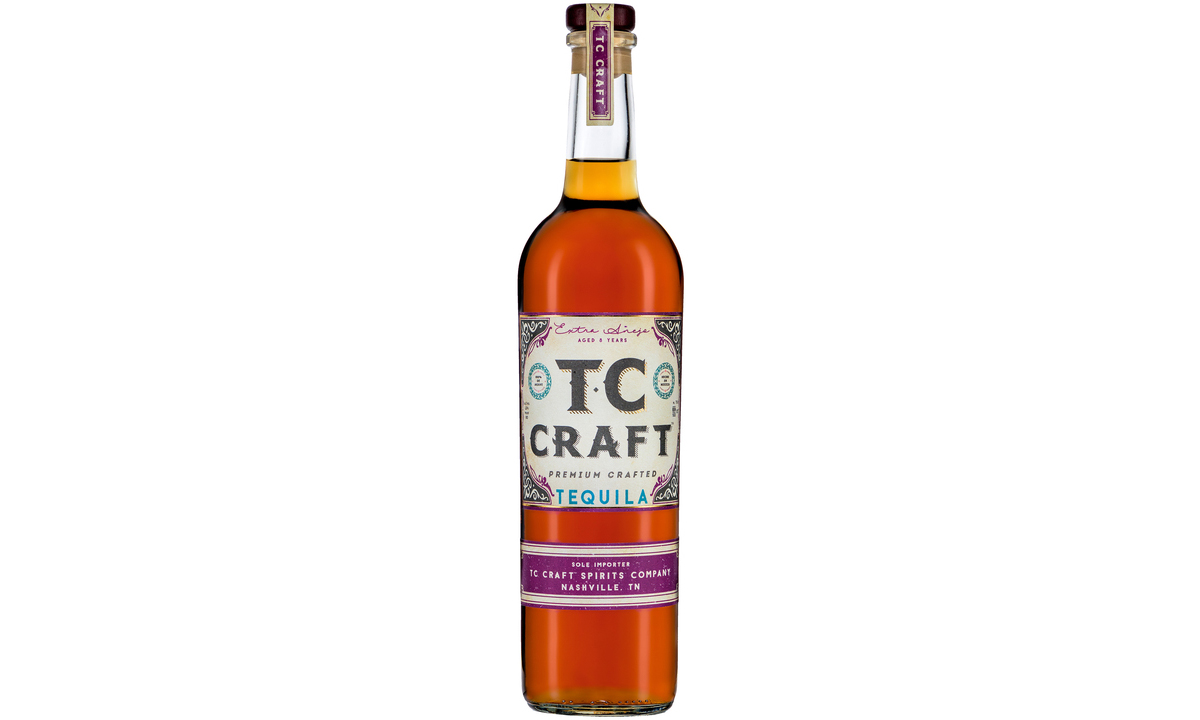
Across the panel, TC Craft’s Extra Añejo consistently read as barrel-driven, but varied in how that barrel influence landed, especially relative to the rest of the lineup.
Structurally, it was often described as medium-bodied to light-bodied, with several tasters pointing out a contrast between an engaging nose and a palate or finish that turned dry. Compared to the other tequilas, it tended to sit closer to the “barrel-forward” end of the spectrum, occasionally prompting comments like “drinks a bit like bourbon,” while still retaining enough agave character for some judges to find it coherent and enjoyable.
Production process: Los Altos agaves are cooked in traditional brick ovens; Extraction is via roller mill; Fermentation happens in open-air stainless steel tanks; Distillation uses stainless steel pot stills; Aeration prior to bottling at 40% abv.
TC Craft Extra Añejo: Aromas and flavors found| # | AROMA | # | FLAVOR |
|---|---|---|---|
| 14 | caramel | 15 | caramel |
| 13 | oak | 14 | oak |
| 12 | spice | 13 | sweet |
| 11 | cherry | 12 | spice |
| 10 | vanilla | 11 | agave |
| 9 | agave | 10 | cherry |
| 8 | honey | 9 | vanilla |
| 7 | cinnamon | 8 | honey |
| 7 | alcohol | 7 | fruit |
| 6 | fruit | 6 | pepper |
| 6 | tobacco | 6 | cinnamon |
| 5 | butterscotch | 5 | tobacco |
| 5 | leather | 5 | banana |
| 5 | nutmeg | 4 | chocolate |
| 4 | citrus | 4 | butterscotch |
| 4 | brown sugar | 4 | bitter |
| 4 | stone fruit | 3 | nuts / nuttiness |
| 4 | anise | 3 | citrus |
Dulce Vida 5-Year Extra Añejo
Avg Score: 85.59
Price: $156
Value Rank: #7
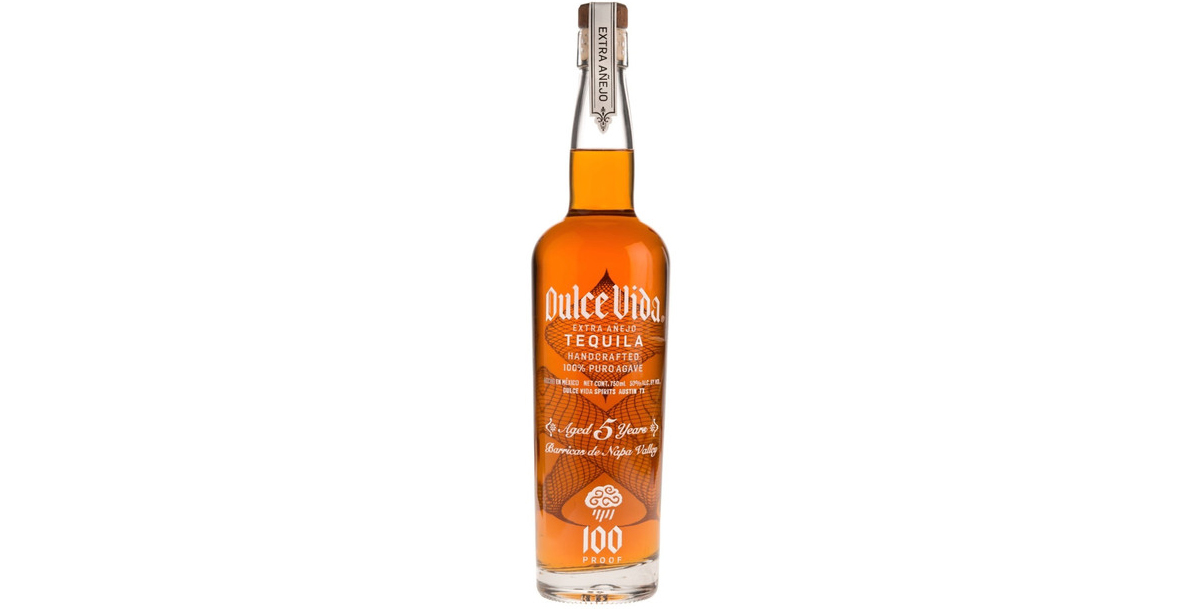
Dulce Vida’s 5-Year XA consistently came across as one of the most barrel-driven and high-impact expressions in the lineup.
Judges frequently pointed to its dark color and immediately linked it to heavier oak influence, higher perceived ABV, and whiskey-adjacent behavior, often noting heat, dryness, and tannic grip on the palate and finish.
Compared to others in the flight, this sample sat firmly on the extreme end of the spectrum, marked by pronounced barrel character, lingering spice and dryness, and a finish that many found intense and persistent rather than resolving softly. It’s a bold tequila, most likely in part due to its higher alcohol content (50% abv, or 100-proof.)
Production process: Los Altos agaves are cooked in an autoclave; Extraction is via roller mill; Fermentation is in stainless steel tanks; Aging happens in American Oak barrels previously used for wine.
Dulce Vida 5-Year Extra Añejo: Aromas and flavors found| # | AROMA | # | FLAVOR |
|---|---|---|---|
| 12 | oak | 13 | oak |
| 11 | caramel | 12 | whiskey |
| 10 | vanilla | 11 | caramel |
| 9 | fruit | 10 | spice |
| 8 | honey | 9 | honey |
| 8 | spice | 9 | fruit |
| 7 | whiskey | 8 | pepper |
| 7 | agave | 7 | vanilla |
| 6 | wood | 7 | agave |
| 6 | molasses | 6 | anise |
| 5 | cherry | 6 | molasses |
| 5 | brown sugar | 5 | cherry |
| 5 | leather | 5 | bitter |
| 4 | anise | 4 | pine |
| 4 | plum | 4 | leather |
| 4 | maple | 4 | tobacco |
This blind tasting experiment made one point unmistakably clear: in the extra añejo category, time in the barrel is not a guarantee of success, and in some cases it is the very thing that works against the spirit. Across the lineup, the most compelling tequilas were not defined by darkness, density, or sheer oak intensity, but by how well aging was used to support, rather than obscure, the underlying agave.
As one judge put it, “It’s great when the barrel is there, but the agave still talks back.”
In the end, the tasting reinforced a simple idea that experienced drinkers increasingly recognize: extra añejos shine not when they are not pushed to extremes, but when age is applied with restraint, letting balance, not time alone, do the work.
Well done. I enjoy these tasting reports.